
Welcome to Fort Worth Bird Control: Prevention and Removal of Unwanted Birds
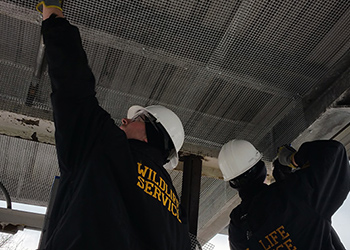
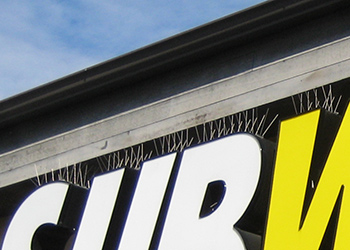
Our company specializes in resolving problems caused by birds in Fort Worth, Texas, both residential and commerical. We handle bird species such as pigeons, starlings, grackles, sparros, and even Canada Geese and woodpeckers. We generally don't kill birds - we prevent them from causing problems. Most commonly, this means that we install barriers that prevent them access to your building or property, or anti-roosting devices that prevent them from landing, nesting, or roosting on your home, store, building, or anywhere. We use netting, needle strips, shock track, and more. We do offer trapping in some cases, and removal of birds from warehouses, grocery stores, or other commerical or industrial buildings by netting or sometimes pellet shooting. We have a wide variety of tools and methods for solving every manner of bird problem. Call us at 682-226-6620 to discuss your bird problem today.Our Work
Full Range of Bird Control Services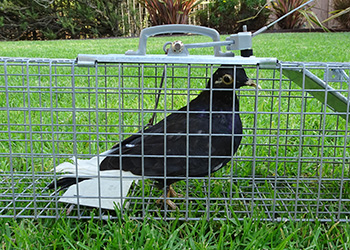
More About Us Fort Worth Bird Control:
For more than 10 years we have been providing our clients with services that protect their family, the environment, and their properties. We are armed with bird control experts who are quite familiar with the community that we serve. Here, we believe that training and education should be at the forefront of all successful businesses. Therefore, we made sure that we will invest in our people and will require them to complete at least 100 hours of training before we will deploy them. We have state-certified, full-time technicians who are updated with the latest techniques and are proficient in using the latest technology on bird removal and exclusion. All specialists of our company can deliver proper handling and usage of equipment and product, and deliver a tailored-fit solution. We have a line of supervisors who will ensure that our workers will remain committed to excellence. Whether you discover a pigeon or sparrow in your chimney, gutter, or the inaccessible part of your attic, we will be there. After we completed our service, you will immediately notice the dramatic change in your area. We only conduct humane methods; we believe that the birds deserve an equal chance to live. By keeping them away from your property and ensuring that they will roost in their natural habitat, we are keeping them safe. We also do not use glue traps, toxins, and chemicals.Are Pigeon Droppings Toxic?
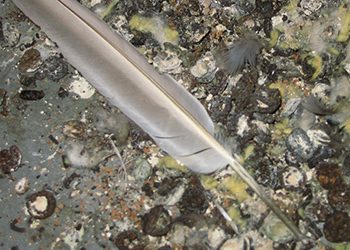
Yes, pigeon droppings ARE toxic, in a sense. The makeup of the droppings make them a highly corrosive substance, and a big enough build up of it, or if it is left for a long period of time before being cleaned away, can actually corrode through walls, ceilings, the roof, tiles, and many more materials besides.
Being touched by pigeon droppings — a pigeon defecating on you, for example — is unlikely to cause you any serious problems in a corrosive sense, but could be dangerous to your health in other ways. Bird feces is well known for carrying a vast array of weird, wonderful and potentially very dangerous diseases, and the pigeon is even more of a culprit than other species because it is such a pest.
Bird flu is NOT a concern with pigeons. In laboratories, experts couldn't recreate the disease in pigeons, despite giving them between one hundred and one thousand times the dose that they would have received if they had come into contact with another infected bird, in the wild. Bird flu cannot be ruled out with pigeons, especially at the rate at which some of the new diseases seem to evolve and change (just like the flu virus), but it is not currently believed at present that you can catch bird flu — H5N1.
Just because bird flu isn't a problem doesn't mean that pigeons are safe, however. Gamasoidosis is an affliction that can arise as a result of coming into contact with mites that are carried by the pigeon. A condition commonly called bird-mite dermatitis, the common symptoms are patches of dermatitis that can't be explained by other means. This particular form of dermatitis is actually overlooked a lot — the pigeon to person link is not made.
Salmonella is commonly known to cause the dreaded stomach bug or food poisoning, but the bacteria could actually do a lot more damage than that, especially if you come into contact with it via pigeons or pigeon droppings. Paratyphoid (also known as Paratyphoid fever) is similar in nature to typhoid as the name would suggest, and causes under 26,000 deaths across the globe each year, out of over 16 million diagnosed cases. It is, thankfully, easily treated with antibiotics, and tends to be more of a problem in tropical and underdeveloped communities/climates.
And let's just talk about Psittacosis for a moment — a disease that sounds entirely made up but isn't. It has a few different names — ornithosis or parrot fever, but it's not parrots that the disease can afflict. This zoonotic (disease that can be spread from animals to humans) can also affect gulls, hens, sparrows, cockatiels, budgies, and ... you might have guessed it ... the humble pigeon. The infection in birds is commonly called avian chlamydiosis, and it is through feces and other discharges that the disease is spread around.
There are many problems and afflictions that can arise as a result of simply sweeping up pigeon poop, and sweeping it up is actually most definitely NOT advised. When you do this, you are sending bacteria and other disease spores airborne where they can then be inhaled … by you, your cat, your kids, your partner, or anyone/anything else that comes into the area.
If you want our professional opinion, you'll let the professionals handle this job. It's a tricky one, and one that requires some pretty specific equipment and tools to get it done right. And with the health risks involved, it's not the kind of job that you'll want to get wrong.
We have the most experience in Fort Worth at understanding the nuisance birds of Texas. Our 7 years of experience in the field ensures excellent results.
We pride ourselves on the quality of our bird control work. Our work is professional grade and long lasting, usually for the life of the building.
We are fully Texas licensed. We carry the correct safety equipment, and operate in a safe and professional manner to keep your building and people safe.
Call us at 682-226-6620 to discuss your bird problem and our process. We are always responsive by phone. We can usually schedule next-day appointments, and provide written estimates for all our bird work.
Thank you Fort Worth Bird Control for keeping the pigeons off of my storefront. My sidewalks are clean now!
These guys were the only ones who could get a sparrow out of my clothing store. Thank you!
Your goose abatement program has kept my golf course dropping-free. I recommend Fort Worth Bird Control.